
Measuring Receptor Binding Kinetics and Residence Time Using Fluorescent Ligands in GPCR Drug Discovery
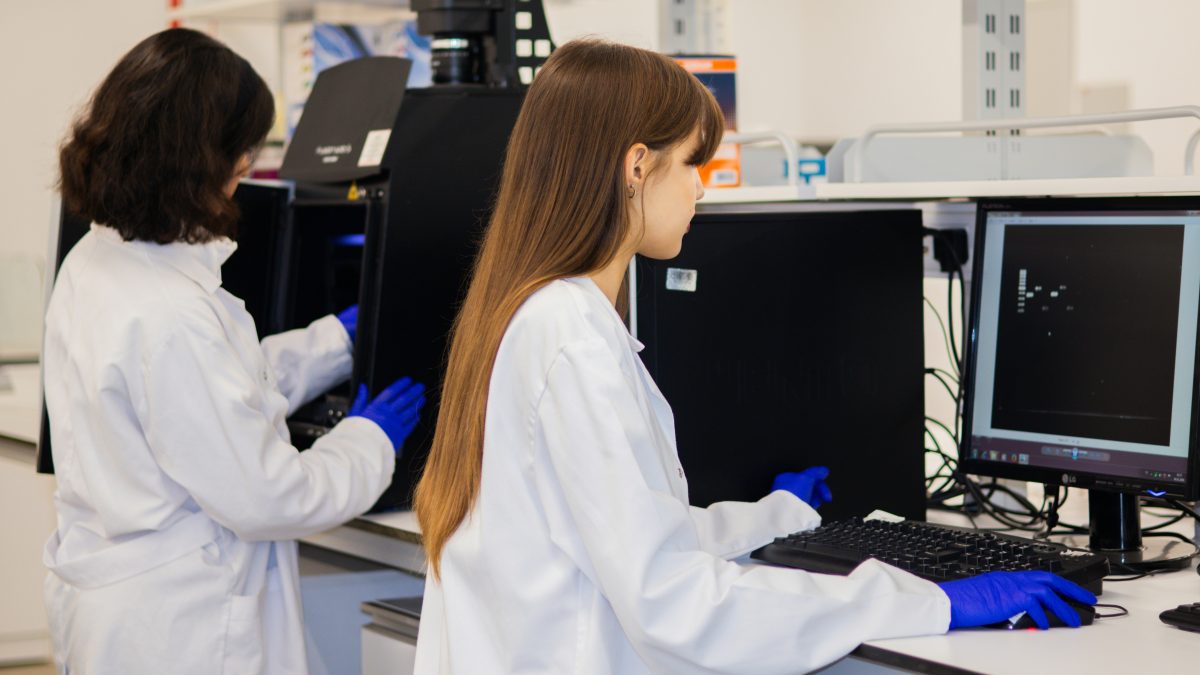
Fluorescent ligands have become powerful tools for measuring receptor binding kinetics and residence time in GPCR drug discovery. Unlike traditional radioligand approaches, fluorescence-based methods enable real-time, non-isotopic ligand binding assays in living cells or cell-free systems. These tools allow detailed analysis of how drugs associate with and dissociate from GPCRs, an essential aspect of pharmacology because residence time often correlates more closely with efficacy than equilibrium affinity alone. Advances in fluorescent ligand design, genome editing, and resonance energy transfer technologies now make it possible to probe GPCRs in their native cellular context, capture dynamic conformational changes, and integrate binding kinetics with structural and computational insights. Together, these approaches support the development of selective, biased, and allosteric GPCR-targeting therapeutics.
Why Binding Kinetics and Residence Time Matter Beyond Affinity in GPCR Drug Discovery
For decades, drug discovery has relied heavily on equilibrium constants derived from a ligand-binding assay. However, while affinity remains important, it does not fully describe how long a drug engages its receptor or how that engagement translates into pharmacological effect.
Binding kinetics provide two additional parameters: the association (kon) and dissociation (koff) rates, which measure how quickly a ligand binds to or leaves the receptor, respectively. The reciprocal of the dissociation rate defines residence time, which represents the lifetime of the binary drug-target complex. This parameter is often more relevant for therapeutic outcomes than systemic concentration because pharmacodynamic effects can persist long after systemic drug levels decline when dissociation from the receptor is slow.
Notably, kinetic selectivity can be achieved by designing molecules that have longer residence times at the therapeutic target compared to off-target receptors. Since GPCRs are highly dynamic membrane proteins, the time a ligand spends in the binding pocket influences the receptor’s conformational landscape, thereby impacting biased signaling and recruitment of G proteins or β-arrestins.
A comprehensive receptor-ligand binding assay strategy should therefore incorporate kinetic parameters to better model target engagement under physiological, nonequilibrium conditions.
Experimental Approaches to Measure Real-Time GPCR Binding Kinetics with Fluorescent Ligands
The transition from radioligands to fluorescent probes has revolutionized the ability to conduct a ligand-binding assay with high temporal and spatial resolution. By leveraging fluorescence kinetics, we can now monitor the lifetime of receptor-ligand complexes in real time and without the regulatory and safety burdens of radioactivity.
Modern experimental workflows often utilize:
- Time-resolved fluorescence measurements: These provide a high signal-to-noise ratio by delaying the measurement after excitation, effectively eliminating background auto-fluorescence from biological samples.
- Bioluminescence Resonance Energy Transfer (BRET): By using a bioluminescent donor on the GPCR and a fluorescent acceptor on the ligand, we can precisely quantify binding events in living cells.
- Fluorescence anisotropy measurements: This technique is particularly useful for measuring the change in the rotational mobility of a ligand upon binding to its much larger receptor target.
- Single-Molecule FRET (smFRET): This high-resolution approach allows for the detection of receptor oligomerization and conformational dynamics at the molecular level, offering detailed insights into GPCR behavior that traditional ensemble measurements might miss.
Together, these tools transform the classical ligand binding assay into a dynamic, time-resolved interrogation of receptor pharmacology.

Design Considerations for Robust and Reproducible Fluorescence-Based Kinetic Assays
Developing a robust receptor-ligand binding assay requires meticulous attention to the chemical and photophysical properties of the fluorescent probe. A poorly designed probe can interfere with the binding pocket or exhibit high non-specific binding, leading to artifacts in fluorescence titration data.
To ensure ligand binding assays at equilibrium validation and interpretation are accurate, several factors must be optimized:
- Probe pharmacology: The fluorescent tag must be strategically attached via an optimized linker to ensure the functionalized ligand retains its original pharmacological profile (affinity and efficacy).
- Photostability: For kinetic studies, the fluorophore must withstand repeated excitation without significant photobleaching to maintain signal integrity over the course of the dissociation phase.
- Specific signal-to-noise: Utilizing high-affinity probes with low non-specific binding is essential for achieving a high Z’-factor in high-content screening (HCS) environments.
Well-designed fluorescent GPCR probes with defined photophysical properties support both equilibrium and kinetic studies. When combined with standardized screening workflows and automated microscopy platforms, these tools enable reproducible kinetic profiling across compound series.
Importantly, fluorescence-based kinetic assays are compatible with both outsourced screening services and in-house implementation using complete assay kits, allowing flexibility depending on project stage and infrastructure.

Figure 1. Fluorescence and bright-field images of total (left panels) and non-specific binding (central panels) of CELT-419 to live HEK293-D3R cells and to SKOV3 cells without D3 receptors (right panels). Source: Tahk MJ, Laasfeld T, Meriste E, Brea J, Loza MI, Majellaro M, Contino M, Sotelo E, Rinken A. Fluorescence-based HTS-compatible ligand binding assays for dopamine D3 receptors in baculovirus preparations and live cells. Front Mol Biosci. 2023 Mar 16;10:1119157.
Integrating Kinetic Parameters into Screening and Lead Optimization Strategies
Integrating kinetic parameters alongside equilibrium affinity provides a more predictive view of drug-target interactions. A classical ligand-binding assay under equilibrium delivers the binding affinity (Ki) or the concentration of an inhibitor required to reduce the biological activity by 50% under specific assay conditions (IC50). Together, these parameters are useful for ranking compound potency and guiding structure-activity relationship optimization, although they do not provide information about binding kinetics or residence time. In contrast, fluorescence kinetics approaches allow direct measurement of association and dissociation rates.
In screening cascades, equilibrium HCS readouts are complemented by separate kinetic assays to strengthen compound prioritization by capturing both binding strength and temporal engagement. For example:
- Estimating the dissociation constant (Kd) in fluorescence polarization using fluorescence polarization or carrying out fluorescence titration to characterize tracer affinity.
- Using fluorescence anisotropy measurements (e.g., TR‑FRET or lanthanide-based immunoassays), including time‑resolved formats, to extract association and dissociation rate constants for ligand-target interactions.
- Implementing time-resolved fluorescence measurements in follow‑up assays to improve sensitivity and reduce background, particularly for low-abundance targets.
Rigorous validation and interpretation of ligand-binding assays at equilibrium remain essential before comparing kinetic data across compound series. However, for GPCR ligands, small structural changes may minimally affect affinity while significantly altering residence time. Incorporating kinetic profiling into the assay workflow, therefore, supports rational lead optimization and more accurate prediction of in vivo pharmacological behavior.
At Celtarys, we specialize in overcoming the technical hurdles of GPCR drug discovery through our proprietary chemical biology platform. Our extensive catalog of high-performance fluorescent ligands is designed to provide the sensitivity and specificity required for sophisticated kinetic studies. Beyond our products, we offer comprehensive CRO screening services and specialized assay kits tailored for High-Content Screening (HCS), providing cellular imaging insights that complement real-time kinetic analysis of GPCR–ligand interactions.
Partner with us to gain access to the tools and expertise necessary to accelerate the development of more effective GPCR-targeted therapeutics.
References
Cheng L, Xia F, Li Z, Shen C, Yang Z, Hou H, Sun S, Feng Y, Yong X, Tian X, Qin H, Yan W, Shao Z. Structure, function and drug discovery of GPCR signaling. Mol Biomed. 2023 Dec 4;4(1):46. doi: 10.1186/s43556-023-00156-w
Conflitti P, Lyman E, Sansom MSP, Hildebrand PW, Gutiérrez-de-Terán H, Carloni P, Ansell TB, Yuan S, Barth P, Robinson AS, Tate CG, Gloriam D, Grzesiek S, Eddy MT, Prosser S, Limongelli V. Functional dynamics of G protein-coupled receptors reveal new routes for drug discovery. Nat Rev Drug Discov. 2025 Apr;24(4):251-275. doi: 10.1038/s41573-024-01083-3
Knockenhauer KE, Copeland RA. The importance of binding kinetics and drug-target residence time in pharmacology. Br J Pharmacol. 2024 Nov;181(21):4103-4116. doi: 10.1111/bph.16104
Kumar V, Chunchagatta Lakshman PK, Prasad TK, Manjunath K, Bairy S, Vasu AS, Ganavi B, Jasti S, Kamariah N. Target-based drug discovery: Applications of fluorescence techniques in high throughput and fragment-based screening. Heliyon. 2023 Dec 19;10(1):e23864. doi: 10.1016/j.heliyon.2023.e23864
Srinivasan B. A guide to enzyme kinetics in early drug discovery. FEBS J. 2023 May;290(9):2292-2305. doi: 10.1111/febs.16404
Tahk MJ, Laasfeld T, Meriste E, Brea J, Loza MI, Majellaro M, Contino M, Sotelo E, Rinken A. Fluorescence-based HTS-compatible ligand binding assays for dopamine D3 receptors in baculovirus preparations and live cells. Front Mol Biosci. 2023 Mar 16;10:1119157. doi: 10.3389/fmolb.2023.1119157
Related posts
Picking an E3 Ligase Assay: FP, TR-FRET, ELISA, NanoBRET and More

PROTAC Hook Effect: How E3 Ligase and Target Protein Binding Affinity Shapes Degradation Efficiency



VHL, CRBN, and Emerging Ligases like DCAF: Selecting E3 Ligase Handles for PROTAC Drug Discovery




PERTE SALUD Proyecto Nº: IDI-2025-0751
Título: TERAPIAS AVANZADAS EN INMUNOONCOLOGÍA: UNA ESTRATEGIA INNOVADORA
BASADA EN LA DEGRADACIÓN DIRIGIDA DE GPCR EN EL EJE ADENOSINÉRGICOS

EIC Pathfinder; Project name: Unisens; Universal GPCR Activity Sensor for Next Generation Drug Discovery


Esta entidad fue beneficiaria de las ayudas para la ejecución de acciones de promoción exterior de las empresas gallegas. El objetivo principal de estas ayudas es incentivar la realización de acciones de promoción exterior generadoras de ventajas competitivas. El resultado que se pretende conseguir es el impulso de las pymes y sus productos y servicios, aumentando el número de empresas de base exportadora.
Celtarys Research is beneficiary of a WomenTechEU grant supporting deep-tech start-ups led by women


Principia 2021 Program
Celtarys staff has been funded by the Xunta de Galicia within the framework of the PRINCIPIA 2021 Program of the Galician Innovation Agency (GAIN)
InnovaPEME Program
Celtarys Innovation Plan has been funded by the InnovaPEME 2022 program of the Galician Innovation Agency (GAIN)

Bonos de Innovación de Celtarys Research (026)
Para promover o desenvolvemento tecnolóxico, a innovación e unha investigación de calidade. Esta operación está financiada pola Xunta de Galicia, a través de axudas concedidas pola Axencia Galega de Innovación, dentro do programa de axudas a empresa Bonos de innovación 2022.


Celtarys Research is part of the public-private consortium developing the project PREDICTEAM
New prognostic quantitative biomarker assays for predicting patient response to immune checkpoint inhibitor (ICI) treatment


NEOTEC · CDTI — Ministerio de Ciencia e Innovación
The Project ‘New chemical conjugation technology for therapeutic targets’ has been founded by CDTI under its program NEOTEC. The NEOTEC program objective is supporting the establishment and consolidation of technology-based enterprises. A technology-based company (EBT) is a company whose activity focuses on the exploitation of products or services that require the use of technologies and knowledge developed since the research activity. The EBT base their business strategy or activity in the intensive domain of scientific and technical knowledge. Budget awarded: 416.177€ | Execution dates: 1/1/2023 – 31/03/2024