
Ligand Binding Assays Beyond GPCRs: Techniques, Best Practices and Applications in Drug Discovery

Simple 3D animation of DNA string on black background.
The pharmaceutical landscape has long been defined by the success of G protein-coupled receptors (GPCRs), which remain the most common target for Food and Drug Administration (FDA)-approved therapeutics. However, as the industry moves toward more complex disease models and the “undruggable” proteome, the focus is expanding to include a diverse array of intracellular and non-canonical proteins. While the list of drugs that target GPCRs continues to grow, the development of non-GPCR-targeting drugs, such as those targeting enzymes, kinases, nuclear receptors, or intracellular proteins, requires a significant shift in analytical methodology. However, successfully navigating these emerging classes requires a transition from traditional membrane-based methodologies to more versatile, sensitive, and physiologically relevant ligand binding assay formats. This article reviews the best techniques and use cases for assays targeting non-GPCR proteins, drawing exclusively from validated methodological frameworks.
Why Explore Ligand Binding Assays Beyond GPCRs?
The scientific community’s historical emphasis on GPCR drug targets stems from their vital role in signal transduction and their accessibility on the cell surface. In fact, GPCR drug target reviews confirm that 36 % of approved drugs modulate GPCR targets, with canonical examples including GLP-1, adrenergic, dopaminergic, and chemokine receptors.
Similar to GPCRs, intracellular proteins are interesting therapeutic targets, both in a traditional occupancy-driven manner as well as a more modern event-driven strategy, because many complex diseases are driven by intracellular pathways and protein-protein interactions that cannot be effectively modulated through classical membrane receptors alone.
They involve new signaling pathways that represent therapeutic opportunities, but detecting interactions in these challenging sites requires highly sensitive protein ligand binding assays capable of identifying low-affinity hits during the early stages of lead discovery. Specifically, these formats should consider:
- Intracellular localization
- Protein conformational flexibility
- Multi-protein complex formation
- Allosteric modulation
In this context, best practices in ligand binding assays become critical to avoid false affinity estimations and mischaracterized mechanisms.
Non-GPCR Drug Targets (Sigma Receptors) and Protein Degradation Pathways (E3 Ligases)
Among emerging non-GPCR drug targets, sigma receptors and E3 ubiquitin ligases stand out for their distinct biology and therapeutic reach.
Sigma-1 and Sigma-2 receptors (σ1R and σ2R, respectively) are highly expressed in neuronal tissues and play regulatory roles in calcium signaling, endoplasmic reticulum (ER) stress modulation, and mitochondrial function. Unlike many GPCR targets, sigma-1 acts as a chaperone protein located at the ER-mitochondria interface, influencing cellular homeostasis under stress conditions.
These receptors are under investigation for neurodegenerative and neurodevelopmental disorders such as Alzheimer’s, Parkinson’s, and Huntington’s diseases. Several ligands have shown promising preclinical and early clinical results, positioning sigma receptors as relevant therapeutic nodes beyond conventional GPCR examples.
- Protein degradation pathways (E3 ubiquitin ligases)
E3 ubiquitin ligases are essential mediators for targeted protein degradation (TPD). Rather than inhibiting a protein’s function, TPD strategies direct disease-associated proteins toward proteasomal degradation. Technologies such as PROTACs and PROTABs harness endogenous E3 ligases to degrade intracellular proteins or cell surface receptors. This catalytic mechanism offers several advantages over traditional inhibition:
- Potential to overcome resistance mutations
- Reduced need for sustained occupancy
- Ability to address previously undruggable proteins
- Opportunity for tissue-selective degradation
Recent innovations, including nanobody-based REULR systems, recruit transmembrane E3 ligases to target receptors for degradation, expanding the versatility of degrader platforms.

Figure 1. E3 ligases chemical ligandability, expression patterns, protein-protein interactions (PPI), structure availability, functional essentiality, cellular location, and PPI interface. Adapted from: Liu Y, Yang J, Wang T, Luo M, Chen Y, Chen C, Ronai Z, Zhou Y, Ruppin E, Han L. Expanding PROTACtable genome universe of E3 ligases. Nat Commun. 2023 Oct 16;14(1):6509.
Key Techniques for Ligand Binding Assays in Non-GPCR Targets
The transition from GPCR targets to intracellular enzymes or chaperones requires high-resolution analytical platforms. While the ELISA ligand-binding assay method with antibodies may be suitable for certain biomarkers, the discovery of small-molecule inhibitors or degraders often relies on homogeneous, ratiometric readouts.
- Time-Resolved Fluorescence Resonance Energy Transfer (TR-FRET): This technique is particularly effective for non-GPCR targets because it reduces background interference and is highly sensitive to the proximity of labeled components, making it a staple for studying protein-protein interactions.
- Fluorescence Polarization (FP): FP is a versatile tool for high-throughput screening of E3 ligase ligands. It measures the change in the rotation of a fluorescently labeled molecule upon binding to a larger protein.
- High-Content Screening (HCS): HCS provides spatial resolution, allowing researchers to observe exactly where a ligand binds within a living cell. This is invaluable for targets like sigma receptors, where localization is key to biological function.
- Surface Plasmon Resonance (SPR): This label-free method is essential for moving beyond simple occupancy to understand the “on” and “off” rates of a compound, providing a deeper kinetic profile than a standard endpoint ligand binding assay.
Utilizing these receptor ligand-binding assay technologies and applications ensures that the data generated is reproducible and biophysically sound.
Practical Applications and Case Studies in Drug Discovery
Recent case studies illustrate how a well-designed ligand binding assay supports innovation beyond classical receptor pharmacology.
- Fluorescent sigma ligands for binding validation (Abatematteo FS et al. 2023)
High-affinity fluorescent sigma ligands have enabled radioligand-free displacement assays, flow cytometry, and live-cell imaging.
Nanomolar Ki values confirmed target engagement, while fluorescence-based formats expanded receptor-ligand binding assays technologies and applications to include spatial and multiparametric readouts. These tools strengthen equilibrium-based protein ligand binding assay interpretation in non-GPCR systems.

Figure 2. Confocal microscopy confirms selective σ2 receptor engagement by fluorescent ligands. Scale bar of 20 μm. Source: Abatematteo FS, et al. Development of Fluorescent 4-[4-(3H-Spiro[isobenzofuran-1,4′-piperidin]-1′-yl)butyl]indolyl Derivatives as High-Affinity Probes to Enable the Study of σ Receptors via Fluorescence-Based Techniques. J Med Chem. 2023 Mar 23;66(6):3798-3817.
- Sigma-2 receptor antagonism in Alzheimer’s disease (Rishton GM et al. 2021)
The discovery of CT1812 demonstrated that compounds identified in a phenotypic neuronal assay could displace Aβ oligomers and restore synaptic function. Subsequent profiling showed high-affinity binding to the sigma-2 receptor complex, with affinity correlating to functional rescue and cognitive improvement in vivo.
This work highlights the importance of combining functional screening with quantitative receptor ligand binding assay validation to confirm mechanism and selectivity.
- DCAF1 as an alternative E3 Ligase (Schröder M et al. 2024)
A recent study shows that recruiting DCAF1, an essential E3 ubiquitin ligase, can overcome resistance to Cereblon (CRBN)-based degraders. This is particularly important as most clinical degraders rely on a limited number of ligases, creating vulnerability to resistance mechanisms.
High-affinity DCAF1 binders were validated using SPR and TR-FRET protein ligand binding assay formats, confirming ternary complex formation under equilibrium conditions. DCAF1-based degraders successfully induced Bruton’s Tyrosine Kinase (BTK) degradation, even in CRBN-resistant models.
This case highlights the strategic value of expanding beyond traditional GPCR drug targets and reinforces the need for rigorous ligand binding assays validation and interpretation when developing next-generation degradation therapies.
At Celtarys, our mission is to expand the druggable genome by transforming targets once considered undruggable into promising candidates for clinical development. We achieve this through our proprietary chemical conjugation technology, which enables the design and delivery of high-precision fluorescent ligands tailored to specific therapeutic targets, such as sigma receptors. We also develop fluorescent probes to study protein degrader drugs like PROTACs. By bridging the gap between theoretical models and experimental validation, we’re helping researchers advance their most ambitious candidates with greater confidence.
Ready to accelerate your drug discovery program? Contact us!
References
Abatematteo FS, Majellaro M, Montsch B, Prieto-Díaz R, Niso M, Contino M, Stefanachi A, Riganti C, Mangiatordi GF, Delre P, Heffeter P, Sotelo E, Abate C. Development of Fluorescent 4-[4-(3H-Spiro[isobenzofuran-1,4′-piperidin]-1′-yl)butyl]indolyl Derivatives as High-Affinity Probes to Enable the Study of σ Receptors via Fluorescence-Based Techniques. J Med Chem. 2023 Mar 23;66(6):3798-3817. doi: 10.1021/acs.jmedchem.2c01227
Hauser AS, Attwood MM, Rask-Andersen M, Schiöth HB, Gloriam DE. Trends in GPCR drug discovery: new agents, targets and indications. Nat Rev Drug Discov. 2017 Dec;16(12):829-842. doi: 10.1038/nrd.2017.178
Liu Y, Yang J, Wang T, Luo M, Chen Y, Chen C, Ronai Z, Zhou Y, Ruppin E, Han L. Expanding PROTACtable genome universe of E3 ligases. Nat Commun. 2023 Oct 16;14(1):6509. doi: 10.1038/s41467-023-42233-2
Lorente JS, Sokolov AV, Ferguson G, Schiöth HB, Hauser AS, Gloriam DE. GPCR drug discovery: new agents, targets and indications. Nat Rev Drug Discov. 2025 Jun;24(6):458-479. doi: 10.1038/s41573-025-01139-y
Rishton GM, Look GC, Ni ZJ, Zhang J, Wang Y, Huang Y, Wu X, Izzo NJ, LaBarbera KM, Limegrover CS, Rehak C, Yurko R, Catalano SM. Discovery of Investigational Drug CT1812, an Antagonist of the Sigma-2 Receptor Complex for Alzheimer’s Disease. ACS Med Chem Lett. 2021 Aug 9;12(9):1389-1395. doi: 10.1021/acsmedchemlett.1c00048
Schröder M, Renatus M, Liang X, Meili F, Zoller T, Ferrand S, Gauter F, Li X, Sigoillot F, Gleim S, Stachyra TM, Thomas JR, Begue D, Khoshouei M, Lefeuvre P, Andraos-Rey R, Chung B, Ma R, Pinch B, Hofmann A, Schirle M, Schmiedeberg N, Imbach P, Gorses D, Calkins K, Bauer-Probst B, Maschlej M, Niederst M, Maher R, Henault M, Alford J, Ahrne E, Tordella L, Hollingworth G, Thomä NH, Vulpetti A, Radimerski T, Holzer P, Carbonneau S, Thoma CR. DCAF1-based PROTACs with activity against clinically validated targets overcoming intrinsic- and acquired-degrader resistance. Nat Commun. 2024 Jan 4;15(1):275. doi: 10.1038/s41467-023-44237-4
Related posts
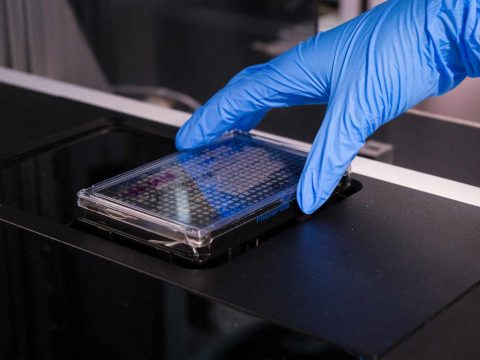
Picking an E3 Ligase Assay: FP, TR-FRET, ELISA, NanoBRET and More

PROTAC Hook Effect: How E3 Ligase and Target Protein Binding Affinity Shapes Degradation Efficiency

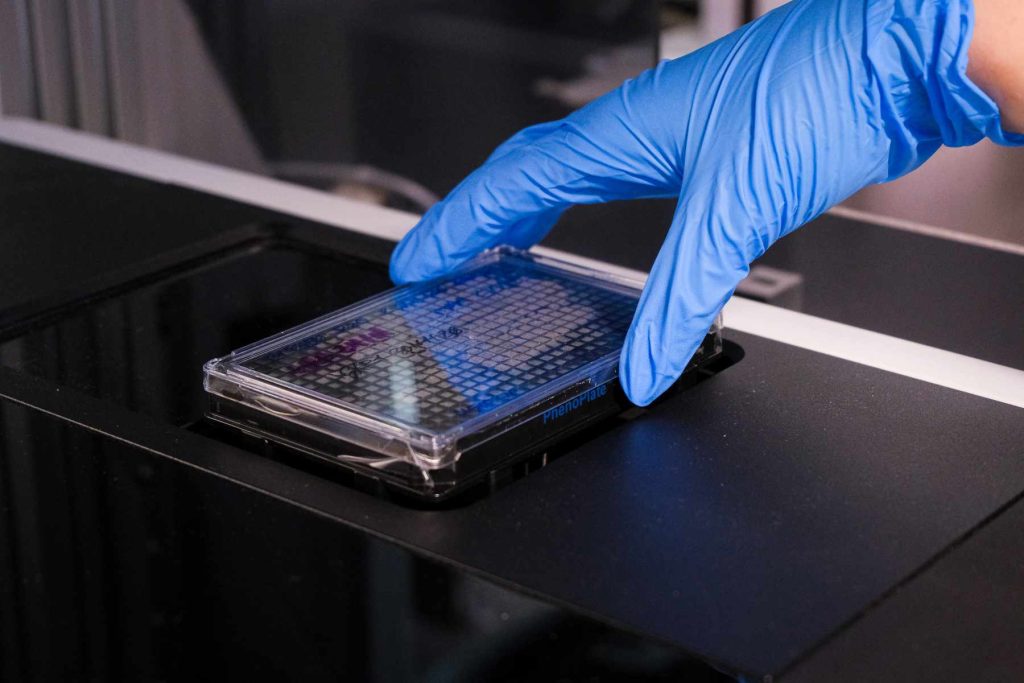


VHL, CRBN, and Emerging Ligases like DCAF: Selecting E3 Ligase Handles for PROTAC Drug Discovery




PERTE SALUD Proyecto Nº: IDI-2025-0751
Título: TERAPIAS AVANZADAS EN INMUNOONCOLOGÍA: UNA ESTRATEGIA INNOVADORA
BASADA EN LA DEGRADACIÓN DIRIGIDA DE GPCR EN EL EJE ADENOSINÉRGICOS

EIC Pathfinder; Project name: Unisens; Universal GPCR Activity Sensor for Next Generation Drug Discovery


Esta entidad fue beneficiaria de las ayudas para la ejecución de acciones de promoción exterior de las empresas gallegas. El objetivo principal de estas ayudas es incentivar la realización de acciones de promoción exterior generadoras de ventajas competitivas. El resultado que se pretende conseguir es el impulso de las pymes y sus productos y servicios, aumentando el número de empresas de base exportadora.
Celtarys Research is beneficiary of a WomenTechEU grant supporting deep-tech start-ups led by women


Principia 2021 Program
Celtarys staff has been funded by the Xunta de Galicia within the framework of the PRINCIPIA 2021 Program of the Galician Innovation Agency (GAIN)
InnovaPEME Program
Celtarys Innovation Plan has been funded by the InnovaPEME 2022 program of the Galician Innovation Agency (GAIN)

Bonos de Innovación de Celtarys Research (026)
Para promover o desenvolvemento tecnolóxico, a innovación e unha investigación de calidade. Esta operación está financiada pola Xunta de Galicia, a través de axudas concedidas pola Axencia Galega de Innovación, dentro do programa de axudas a empresa Bonos de innovación 2022.


Celtarys Research is part of the public-private consortium developing the project PREDICTEAM
New prognostic quantitative biomarker assays for predicting patient response to immune checkpoint inhibitor (ICI) treatment


NEOTEC · CDTI — Ministerio de Ciencia e Innovación
The Project ‘New chemical conjugation technology for therapeutic targets’ has been founded by CDTI under its program NEOTEC. The NEOTEC program objective is supporting the establishment and consolidation of technology-based enterprises. A technology-based company (EBT) is a company whose activity focuses on the exploitation of products or services that require the use of technologies and knowledge developed since the research activity. The EBT base their business strategy or activity in the intensive domain of scientific and technical knowledge. Budget awarded: 416.177€ | Execution dates: 1/1/2023 – 31/03/2024