
Biotinylated Fluorophores: Enhancing Signal Detection and Specificity
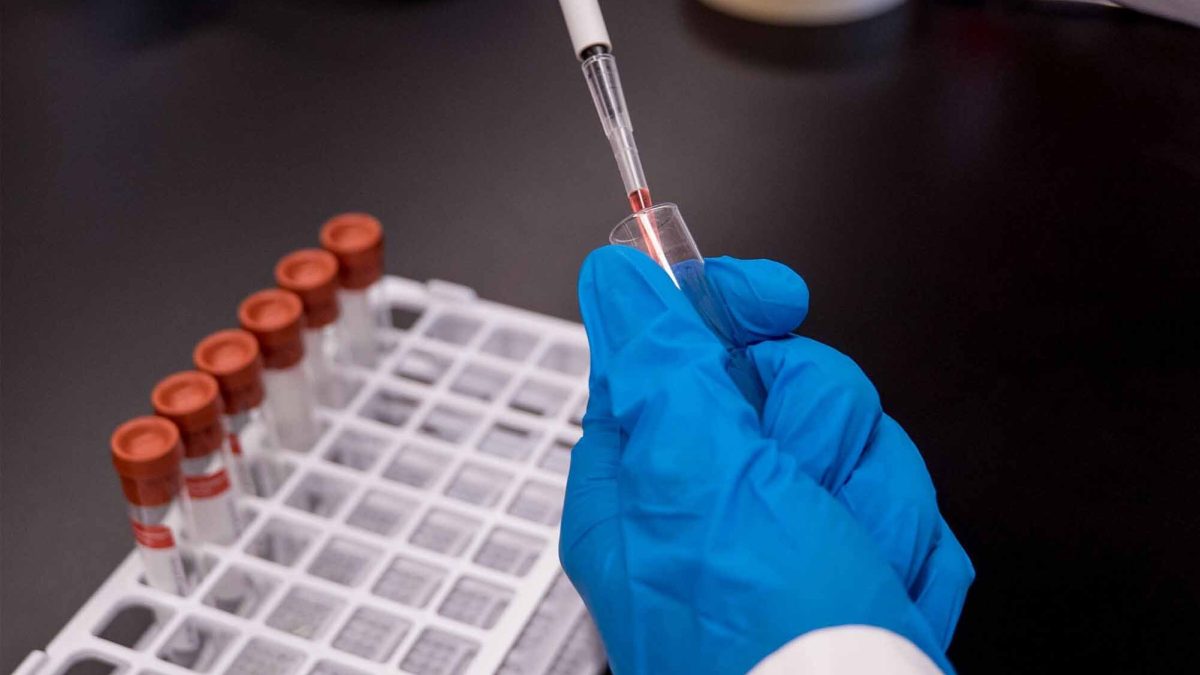
Biotinylated fluorophores have revolutionized the field of biochemical and biomedical research by providing highly sensitive and specific tools for detecting biomolecules. Their unique chemical properties enable improved signal detection and specificity in a variety of ligand binding and affinity assays, crucial for drug discovery, molecular biology, and diagnostic applications. By combining the strong interaction between biotin and proteins (e.g., biotin-streptavidin) with the sensitive fluorescence output of fluorophores such as fluorescein, exceptional assay performance can be achieved, and many limitations of traditional labeling methods can be overcome.
Fluorescent Labeling Strategies: From Biotin to Fluorophores
Fluorescent labeling in assay development enables the real-time tracking of molecular events, helping researchers monitor biomolecular interactions with high temporal and spatial resolution. A common and versatile approach utilizes biotinylated fluorophores, which are molecules where a fluorescent dye is covalently linked to biotin.
Biotin is a small, non-immunogenic molecule that can bind to streptavidin and other proteins with exceptionally high affinity (Kd ≈ 10-15 M), making it ideal for anchoring detection probes to solid supports or for signal amplification.
Key benefits of biotin-fuorophore conjugations include:
- High specificity and strong binding through the biotin-streptavidin interaction
- Multiplexing capabilities with fluorophores emitting at different wavelengths
- Improved assay reproducibility due to stable and consistent labeling
These properties make them particularly useful in techniques such as sandwich Enzyme-Linked ImmunoSorbent Assays (ELISAs), Fluorescence Resonance Energy Transfer (FRET)-based systems, time-resolved fluorescence assays, and surface-based biosensors.

Enhancing Signal Detection and Specificity in Assay Development
In the context of signal detection in ligand binding, sensitivity and specificity are often compromised by background noise, photobleaching, or poor reagent quality. The use of biotinylated fluorophores helps mitigate these issues by harnessing the protein-biotin interaction to increase the local concentration of fluorophores at the target site, leading to amplified fluorescence signals.
- Localized signal amplification
Streptavidin and related proteins can bind up to four biotin molecules, creating large complexes that concentrate fluorophores and amplify the signal from low-abundance targets.
- Improved specificity
The exceptionally high affinity between biotin and streptavidin reduces background noise by minimizing nonspecific binding.
- Versatility
Different fluorophores can be attached to streptavidin, allowing optimized detection parameters for various assay formats.
- Kinetic insights
Fluorescence anisotropy (measured changes in the rotational mobility of labeled molecules) can provide insights into binding kinetics, helping determine binding events in solution by measuring changes in emission polarization, a technique often employed when working with biotinylated fluorophore probes.
These properties enable researchers to design assays that are both highly sensitive and specific, key requirements for accurate ligand binding assay performance in drug discovery and diagnostics.
Applications of Biotinylated Fluorophores: From Ligand Binding Assays to Affinity Labeling
The versatility of biotinylated fluorophores has led to their widespread adoption across many assay types, particularly where precise molecular detection is essential. Common applications include:
- Ligand binding assays
These assays use biotinylated ligands or probes to study molecular interactions with receptors or proteins, where the fluorescent signal serves to quantify binding events accurately.
- Affinity labeling
Involves covalently attaching a probe to a target molecule to study interactions at the molecular level. By using a biotinylated fluorophore, researchers can not only track but also isolate and analyze the target complex.
- Protein detection techniques
Immunohistochemistry (IHC), Western blotting, and ELISA often utilize biotin-labeled antibodies that are detected with streptavidin-fluorophore conjugates to amplify signal and boost assay sensitivity.
- Cell surface labeling
In flow cytometry and imaging applications, biotinylated fluorophores can label specific receptors or ligands with minimal cytotoxicity and high photostability.
G protein-coupled receptors (GPCRs), a major class of drug targets, benefit greatly from biotinylated fluorophores in ligand binding assays. Using biotinylated ligands enables highly specific detection and isolation of GPCR complexes while preserving native conformations. This facilitates detailed study of receptor pharmacology, binding kinetics, and conformational changes in real time, accelerating GPCR-targeted drug discovery efforts.

Figure 1. Fluorescent staining of LS180 cells (human colorectal adenocarcinoma) with a dual avidin/biotin pretargeting system (HYNIC-lys(Cy5.5)-PEG4-biotin, red) and 4′,6-diamidino-2-phenylindole (DAPI, blue). Source: Dong C, Yang S, Shi J, Zhao H, Zhong L, Liu Z, Jia B, Wang F. SPECT/NIRF Dual Modality Imaging for Detection of Intraperitoneal Colon Tumor with an Avidin/Biotin Pretargeting System. Sci Rep. 2016 Jan 6;6:18905.
Overcoming Challenges in Streptavidin-Biotin Systems
Despite their advantages, streptavidin-biotin systems come with limitations that must be managed to ensure accurate results. Biotin interference, as discussed, is a critical concern in both research and diagnostics. Excess free biotin in samples can saturate streptavidin binding sites, leading to false negatives or diminished sensitivity. Moreover, in some cases, the irreversible nature of biotin-streptavidin binding complicates the recovery of analytes after capture.
Differences between biotin and biotinylated probes should also be considered. Biotin is a small vitamin molecule, while biotinylated fluorophores are conjugates that combine biotin with a fluorescent dye; understanding this distinction helps interpret assay behavior and troubleshoot effectively. In addition, over-labeling with biotin can sterically hinder target binding or alter biological activity; hence, determining the optimal biotin-to-protein ratio is critical.
Alternative solutions include using biotin and desthiobiotin conjugates. Desthiobiotin binds to streptavidin with lower affinity, allowing for reversible binding and elution. This is especially valuable in workflows where target recovery is necessary.
Other strategies to improve performance involve:
- Optimizing blocking buffers to reduce non-specific interactions.
- Using fluorophores with higher quantum yields or greater photostability for extended imaging or kinetic studies.
- Applying biotinylation methods for assay sensitivity, such as NHS-ester or click chemistry approaches, which allow precise control over labeling sites and stoichiometry.
By tailoring the choice of fluorophore and the biotinylation in the assay development process, researchers can achieve more reliable and reproducible results, particularly when working with complex biological samples.
At Celtarys, we specialize in designing and producing biotinylated probes tailored to your assay requirements. Whether you’re optimizing a ligand binding assay, developing high-sensitivity screening methods, or exploring novel approaches in affinity labeling, our expert team supports you with high-purity compounds, optimized linkers, and deep scientific insight.
Partner with us to enhance your fluorescent labeling workflows and accelerate your research with precision and confidence!
References
Wang H, Liu L, Zhang Z, Li C, Wang K, Gao J, Hu Q, Wang W, Li H. Insights of affinity-based probes for target identification in drug discovery. Eur J Med Chem. 2025 Sep 5;293:117711. doi: 10.1016/j.ejmech.2025.117711
Dong C, Yang S, Shi J, Zhao H, Zhong L, Liu Z, Jia B, Wang F. SPECT/NIRF Dual Modality Imaging for Detection of Intraperitoneal Colon Tumor with an Avidin/Biotin Pretargeting System. Sci Rep. 2016 Jan 6;6:18905. doi: 10.1038/srep18905
Prakash R, Goodlett DW, Varghese S, Andrys J, Gbadamosi FA, Arriaza RH, Patel M, Tiwari PB, Borowski T, Chruszcz M, Shimizu LS, Upadhyay G. Development of fluorophore labeled or biotinylated anticancer small molecule NSC243928. Bioorg Med Chem. 2023 Feb 1;79:117171. doi: 10.1016/j.bmc.2023.117171
Yudhistira T, Da Silva EC, Combes A, Lehmann M, Reisch A, Klymchenko AS. Biotinylated Fluorescent Polymeric Nanoparticles for Enhanced Immunostaining. Small Methods. 2023 Apr;7(4):e2201452. doi: 10.1002/smtd.202201452
Payandeh J, Volgraf M. Ligand binding at the protein-lipid interface: strategic considerations for drug design. Nat Rev Drug Discov. 2021 Sep;20(9):710-722. doi: 10.1038/s41573-021-00240-2
Related posts
Picking an E3 Ligase Assay: FP, TR-FRET, ELISA, NanoBRET and More

PROTAC Hook Effect: How E3 Ligase and Target Protein Binding Affinity Shapes Degradation Efficiency



VHL, CRBN, and Emerging Ligases like DCAF: Selecting E3 Ligase Handles for PROTAC Drug Discovery




PERTE SALUD Proyecto Nº: IDI-2025-0751
Título: TERAPIAS AVANZADAS EN INMUNOONCOLOGÍA: UNA ESTRATEGIA INNOVADORA
BASADA EN LA DEGRADACIÓN DIRIGIDA DE GPCR EN EL EJE ADENOSINÉRGICOS

EIC Pathfinder; Project name: Unisens; Universal GPCR Activity Sensor for Next Generation Drug Discovery


Esta entidad fue beneficiaria de las ayudas para la ejecución de acciones de promoción exterior de las empresas gallegas. El objetivo principal de estas ayudas es incentivar la realización de acciones de promoción exterior generadoras de ventajas competitivas. El resultado que se pretende conseguir es el impulso de las pymes y sus productos y servicios, aumentando el número de empresas de base exportadora.
Celtarys Research is beneficiary of a WomenTechEU grant supporting deep-tech start-ups led by women


Principia 2021 Program
Celtarys staff has been funded by the Xunta de Galicia within the framework of the PRINCIPIA 2021 Program of the Galician Innovation Agency (GAIN)
InnovaPEME Program
Celtarys Innovation Plan has been funded by the InnovaPEME 2022 program of the Galician Innovation Agency (GAIN)

Bonos de Innovación de Celtarys Research (026)
Para promover o desenvolvemento tecnolóxico, a innovación e unha investigación de calidade. Esta operación está financiada pola Xunta de Galicia, a través de axudas concedidas pola Axencia Galega de Innovación, dentro do programa de axudas a empresa Bonos de innovación 2022.


Celtarys Research is part of the public-private consortium developing the project PREDICTEAM
New prognostic quantitative biomarker assays for predicting patient response to immune checkpoint inhibitor (ICI) treatment


NEOTEC · CDTI — Ministerio de Ciencia e Innovación
The Project ‘New chemical conjugation technology for therapeutic targets’ has been founded by CDTI under its program NEOTEC. The NEOTEC program objective is supporting the establishment and consolidation of technology-based enterprises. A technology-based company (EBT) is a company whose activity focuses on the exploitation of products or services that require the use of technologies and knowledge developed since the research activity. The EBT base their business strategy or activity in the intensive domain of scientific and technical knowledge. Budget awarded: 416.177€ | Execution dates: 1/1/2023 – 31/03/2024